Grotesques
Sixteenth-Century Frescoes in Rome, Florence, and Northern Italy
A part of the subject areas Cultural studies and Art
More about the book
About the book
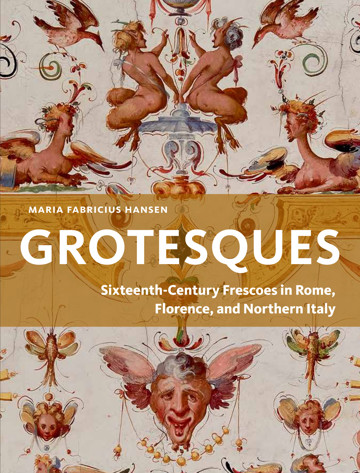
When the term, grotesques, first arose around the year 1500 in Italy, it referred specifically to ornamental frescoes featuring exceptionally inventive, noteworthy, humorous, or monstrous motifs. These paintings became a preferred decoration in the period’s exquisite villas, palaces, and churches of Rome, Florence and Northern Italy.
Lavishly illustrated, this book is an art historical introduction and guide to grotesques and decorative frescoes of the sixteenth-century and offers a new perspective on the visual culture of an era in which art was rooted in ancient and medieval worldviews yet also on a trajectory toward Modernity.
The book is a translated edition of the Danish Grotesker, produced in cooperation with Yale University Press.